
Patient Testimonies | August 6, 2025
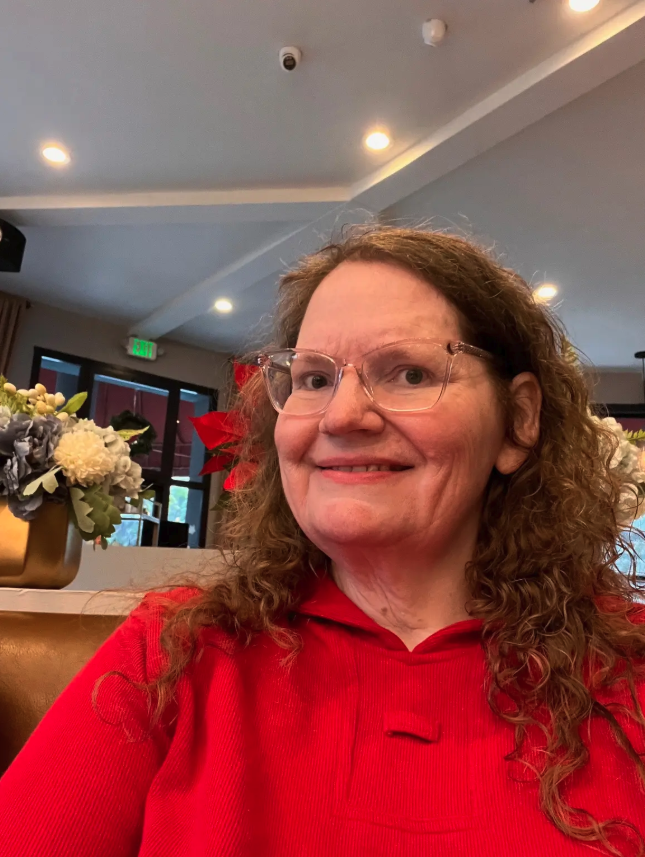
Living in Shreveport, Louisiana, I’m navigating a medical system that often feels designed against me. My journey is particularly complicated; I live with a constellation of rare diseases including hemiplegic migraines, occipital neuralgia, idiopathic intracranial hypertension, and fibromyalgia, compounded by depression and anxiety. Each day is a battle against relentless pain, a battle made even harder by the exorbitant cost of treatment.
I’ve tried every avenue to alleviate my suffering, but financial barriers constantly block access to necessary prescriptions. I’ve cycled through countless medication trials, from ineffective generics to brand-name drugs that carry a hefty price tag — commonly ranging from $400 to $6,000 a month each, and forcing me into a continuous struggle to afford my medications. I vividly recall a time when a pain management doctor recommended a $4,000 monthly prescription, only for the hospital to refuse administration due to concerns about potential waste. This experience highlighted the stark reality that I might have to travel across state lines or long distances just to find a facility willing to administer the medication I need. Thankfully, my Nurtec prescription, one of several expensive drugs, is currently covered through a copay assistance program and my insurance. However, it took months to qualify, and the uncertainty of how long this benefit will last looms large.
Currently, my medication regimen includes Nurtec, Spravato, Reyvow, Trudhesa, and Zavzpret, totaling an approximate monthly list price of $8,500. If the combined monthly copays for these medications exceed $150, I’m forced to make impossible choices, prioritizing some prescriptions over others. This financial burden is immense for my husband and me. Not only do we care for our own health, but we also help raise our grandchildren.
Life often feels like a never-ending game of chess, constantly strategizing to manipulate a broken system and anticipate the next move. This shouldn’t be our reality.
Advocating for myself, both in the doctor’s office and beyond, has become the hardest thing I’ve ever done. Yet, I have no choice but to continue. My husband’s diabetes further compounds our healthcare costs. Despite my SSDI income and his employment, we don’t qualify for assistance programs for either of our medical needs. I know my family and I are not alone in this struggle; this issue affects countless families across the United States.
Patients deserve better.